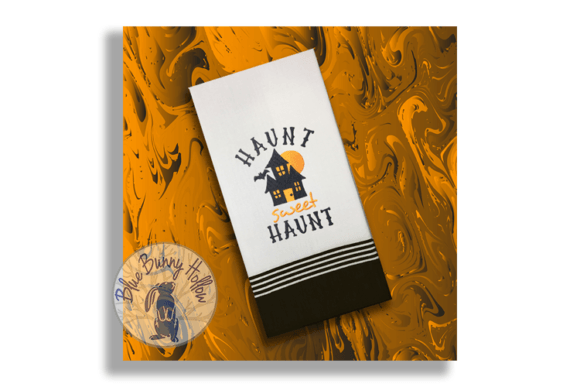
Haunt Sweet Haunt: A Designer's Practical Review
As a designer who has spent years curating machine embroidery designs for both personal craft projects and commercial small business lines, I approach every new file with a critical eye. The market is flooded with generic motifs, so finding a piece that balances thematic relevance with technical execution is rare. When I first opened the Haunt Sweet Haunt design file, my immediate goal was to determine if it could transition seamlessly from a digital preview to a high-quality finished product. This isn't just about whether a design looks good on a screen; it is about how it behaves under the needle, how it interacts with fabric texture, and whether it will elevate a handmade product or undermine its value.
First Impressions: Mood and Visual Personality
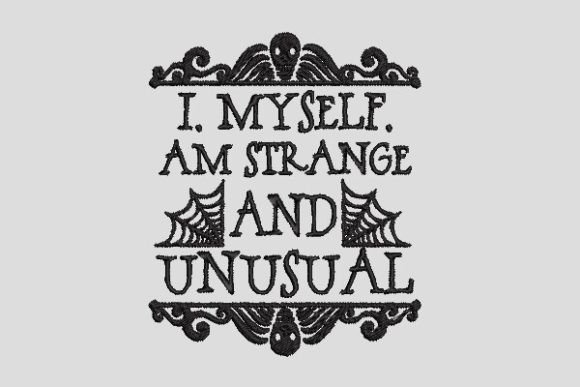
The initial visual impact of Haunt Sweet Haunt is exactly what you want for a seasonal collection: eerie yet elegant. It captures the spooky spirit without descending into cartoonish chaos. The layout suggests a chilling Halloween quote wrapped in decorative elements that feel substantial enough to stand out but refined enough to maintain a boutique aesthetic. For an Etsy seller or a boutique owner looking to create holiday merchandise, this kind of visual personality is crucial. It signals to the customer that the item is a thoughtful, curated piece rather than a mass-produced afterthought.
In terms of composition, the design seems to rely on a mix of fill stitch for the heavier lettering and potentially satin stitch for the finer accents. This combination is vital for creating depth. If the contrast between the fill and the outline is managed well, the text will pop against various backgrounds. However, as a reviewer, I am always wary of designs that look perfect in color but fall apart when stitched in monochrome or on dark fabrics. The success of this design in real-world applications depends heavily on how the creator has balanced the stitch density.
Real-World Application: From Tote Bags to Sweatshirts
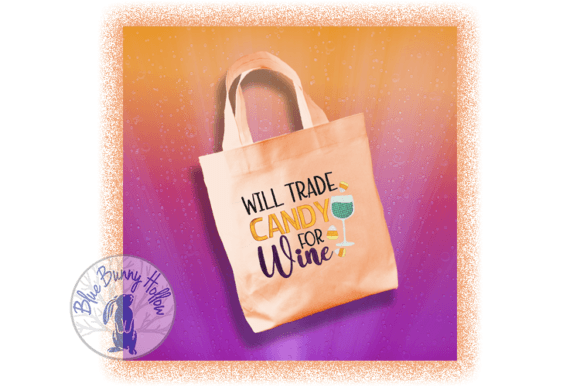
To truly evaluate Haunt Sweet Haunt, I imagined placing it on a few specific products I frequently work with. First, consider a heavy-weight cotton tote bag. These are staples for craft fairs and local markets. The sturdy nature of canvas allows for higher stitch density without puckering, making it an ideal candidate for this design. The "eerie elegance" mentioned in the description would translate beautifully here, especially if paired with a contrasting thread color like deep orange or metallic silver against a black bag.
Next, let's look at custom apparel, specifically a crewneck sweatshirt. Embroidery on knitwear requires a delicate touch. If the Haunt Sweet Haunt file has areas of dense stitching, it could cause the fabric to pucker or distort the shape of the garment over time. In a real project scenario, I would likely place this design on the upper chest or sleeve area where there is less tension than across the back. For a personalized gift, such as a family matching set for a Halloween party, the design offers enough character to be recognizable even from a distance, which is key for group photos and social media engagement.
I also see potential for this design as an embroidered patch. Patches are versatile assets for a craft business; they can be sewn onto denim jackets, hats, or even used as standalone decorations. If the file includes a clean border or running stitch edge, converting it to a patch application becomes straightforward. This versatility increases the return on investment for the digital file, allowing a small shop owner to diversify their inventory without purchasing new assets.
Navigating Technical Challenges and Fabric Choices
While the design holds promise, practical experience dictates that certain limitations must be respected. One major consideration is the hoop size. If Haunt Sweet Haunt is designed for a larger hoop, attempting to split it or shrink it for a 4x4 inch hoop could compromise the integrity of the lettering. Tiny details often get lost or become muddy when scaled down, leading to a messy finished product that damages your brand reputation.
Fabric choice is another critical factor. On textured fabrics like fleece or thick wool, the definition of the quote might blur slightly due to the nap of the material. Similarly, on thin or stretchy fabrics, the weight of the thread can cause significant distortion. In these cases, using a proper stabilizer is non-negotiable. I always recommend testing the design on scrap fabric first to check how the stabilizer interacts with the specific material you plan to use. Without adequate support, even the best machine embroidery design can result in sagging or uneven stitches.
Dark fabrics present their own set of challenges. While a black background enhances the spooky vibe, it requires careful selection of thread colors to ensure visibility. Lighter threads may show the backing through if the stitch density is too low. Conversely, using a very dense fill on dark fabric can make the design feel heavy and stiff. Comparing light and dark fabric backgrounds during the planning phase helps anticipate these issues before committing to a full production run.
Strategic Advice for Designers and Makers
For those considering Haunt Sweet Haunt for their next project, I strongly advise reviewing the stitch count and density before starting. High stitch counts aren't always better; sometimes they indicate inefficiency or unnecessary complexity that slows down production. Check whether the design works for both personal and commercial projects by confirming the licensing terms. As a professional, I cannot stress enough the importance of understanding what you are allowed to sell. Are you permitted to sell the physical items? Can you offer the digital file itself?
When preparing for a client order or a batch of holiday gifts, test the design in black and white mockups first. This strips away the distraction of color and forces you to focus on the line quality and spacing. If the letters are too close together, they might merge during stitching, rendering the quote unreadable. Inspecting small details in the file preview can save hours of rework later.
Ultimately, the value of a handmade product lies in its presentation. A well-executed embroidery project builds customer trust and encourages repeat business. Haunt Sweet Haunt has the potential to be a standout asset in a seasonal catalog, provided it is applied with care and technical precision. Whether you are decorating a baby item, creating a kitchen towel, or branding a small shop product, the goal is always the same: to deliver a finished product that feels professional, durable, and visually striking.
By taking the time to test, stabilize, and thoughtfully select your materials, you ensure that the hauntingly good design translates into a tangible success. This is how we move beyond simple crafting and into the realm of professional design entrepreneurship.