Vintage Camera Embroidery for Boutique Apparel
As an embroidery designer who has spent years curating collections for boutique apparel and small clothing brands, I know that the right machine embroidery design can transform a simple garment into a statement piece. When I stumbled upon the Vintage Camera design in the Freebies section of Creative Fabrica, my immediate reaction was one of professional curiosity. In the world of custom apparel, finding a high-quality digital embroidery file that balances nostalgia with modern aesthetic appeal is rare. This review explores how this specific design performs when applied to sweatshirt embroidery, hoodie designs, and other handmade products intended for commercial sale.
First Impressions: Visual Personality and Stitching Mood
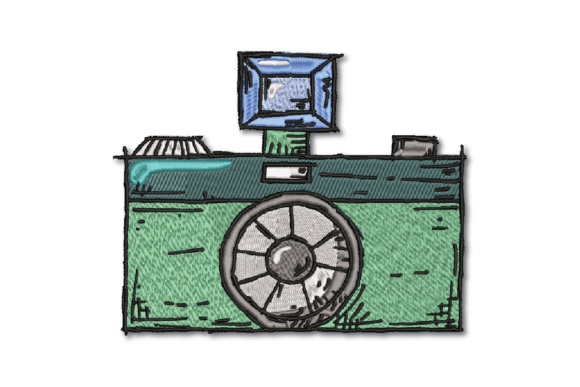
The Vintage Camera design immediately evokes a sense of timeless charm. It does not feel like a generic clip-art conversion; rather, it possesses a decorative strength that suggests a premium finish on finished products. The visual personality is classic yet trendy, making it suitable for a wide range of audiences from vintage enthusiasts to modern streetwear fans. For a boutique brand looking to establish a cohesive identity, this design offers a neutral but distinct motif that pairs well with various color palettes.
When reviewing the potential stitch density, the design appears balanced. It avoids the overly dense areas that can cause puckering on stretchy fabric while maintaining enough detail to look crisp on a t-shirt or denim jacket. The mood is playful yet sophisticated, which is essential for lifestyle product photos where the garment needs to look both wearable and aspirational. Whether you are planning a cozy seasonal outfit collection or a bold summer line, the Vintage Camera design brings a level of artistic flair that elevates the perceived value of the item.
Performance Across Different Apparel Types
One of the primary considerations for any embroidery shop is how a design translates across different materials. Here is how the Vintage Camera design holds up in real-world scenarios:
- Sweatshirt and Hoodie Chest Placement: On neutral sweatshirts and pastel hoodies, this design serves as an excellent focal point. Placing it on the left chest creates a subtle brand mark, perfect for a small shop product line. The curves of the camera lens and body mimic the natural drape of fleece, ensuring the design sits flat without pulling.
- Sleeve Accents and Back Designs: For oversized garments, scaling the design for a sleeve accent adds a touch of whimsy without overwhelming the silhouette. Conversely, using it as a larger back design on a dark hoodie allows for dramatic thread color contrast, making the metallic or white threads pop against the black fabric.
- Tote Bags and Denim Jackets: The sturdy nature of canvas tote bags and the textured surface of denim jackets make them ideal candidates for this machine embroidery design. The Vintage Camera motif complements the rustic texture of denim, creating a layered look that appeals to crafters and Etsy sellers alike.
- Boutique Merchandise: For a boutique brand aiming for visual consistency, this design works seamlessly across a capsule collection. It maintains its integrity whether stitched on a structured tote bag or a soft cotton tee, ensuring your brand identity remains strong across all items.
Strategic Placement and Fabric Considerations
While the Vintage Camera design is versatile, experienced designers know that placement is everything. There are specific areas where caution is required to ensure the quality of the finished product.
When working with ribbed fabric or areas prone to stretching, such as the neckline of a hoodie, the stitch density must be carefully evaluated. If the design is too tight in these areas, the tension of the stitching may cause the fabric to warp over time. Similarly, on curved surfaces like the shoulder seam of a sweatshirt, the design may need to be adjusted slightly to follow the contour, though the description warns that any alteration on the files may affect the output. Therefore, it is best to place the design on flatter sections of the garment whenever possible.
For dark garments, the choice of stabilizer becomes critical. A cutaway stabilizer is often necessary to support the weight of the thread and prevent the design from sinking into the pile of the fleece. Additionally, when considering tiny lettering if paired with text, ensure that the hoop size is sufficient to capture the details without distortion. The Vintage Camera design is detailed enough that poor hooping could result in lost definition, particularly around the lens and shutter mechanisms.
Impact on Brand Identity and Commercial Value
In the competitive landscape of handmade businesses, the quality of your embroidery directly influences buyer trust and customer engagement. Using a well-crafted design like Vintage Camera signals to your customers that you prioritize quality over speed. It enhances the professional presentation of your Etsy listings and social media graphics, making your custom apparel stand out in a crowded market.
This design contributes significantly to product recognition. When customers see a consistent, high-quality motif across your collection, they begin to associate that visual style with your brand. This visual consistency builds a loyal following for your boutique brand. Furthermore, the nostalgic appeal of a camera resonates with photography lovers and travel enthusiasts, expanding your potential market reach. By integrating this creative element into your commercial embroidery products, you are not just selling a shirt; you are selling a story and a lifestyle.
Practical Designer Notes for Production
Before committing to a full production run, there are several practical steps every embroidery designer should take. First and foremost, remember to always run a sample of the files on the test fabric before stitching on your actual inventory. This step is non-negotiable for maintaining professional standards.
- Test on Scrap Fabric: Use a scrap piece of the exact fabric you plan to sell. Check for puckering, especially on lighter weights like jersey tees.
- Check Stabilizer Choice: Experiment with tear-away versus cutaway stabilizers to see which provides the cleanest edge for the Vintage Camera design.
- Review Thread Color Contrast: Ensure the thread colors you select provide enough contrast against the base fabric. A monochromatic look can be chic, but it requires precise stitching.
- Confirm Hoop Size: Verify that the design fits comfortably within your hoop without being stretched to the limit, which can distort the image.
- Inspect Stitch Density: Look closely at the digitization. If certain areas appear too sparse, consider adding underlay stitches manually if your software allows, keeping in mind the warning about altering files.
- Licensing Verification: Since this is found in the Freebies category, double-check the Creative Fabrica product details and licensing before selling finished apparel. Ensure you have the rights to use the digital embroidery file for commercial purposes in your specific region and business model.
The Vintage Camera design is a fantastic addition to any library of machine embroidery designs. Its ability to bridge the gap between vintage aesthetics and modern apparel trends makes it a valuable asset for decorators and entrepreneurs. By following proper testing protocols and understanding the nuances of fabric texture and stabilizer choice, you can create stunning, high-value pieces that will delight your customers and strengthen your brand presence.