Wildflowers Design Flower: A Designer's Review
As someone who has spent years navigating the delicate balance between artistic vision and machine limitations, I approach every new machine embroidery design with a mix of excitement and skepticism. When I first opened the file for Wildflowers Design Flower, my immediate goal was to determine if this piece could transition from a pretty digital preview to a high-quality, sellable finished product. For craft business owners and Etsy sellers, the difference between a good design and a great one often lies in how it behaves under real-world conditions. This review breaks down exactly what you can expect when bringing this floral motif into your workshop.
First Impressions: Mood and Composition
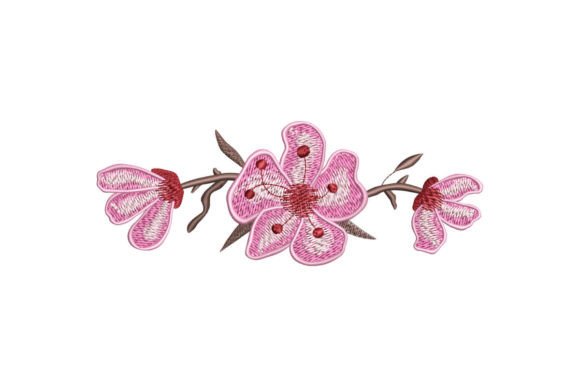
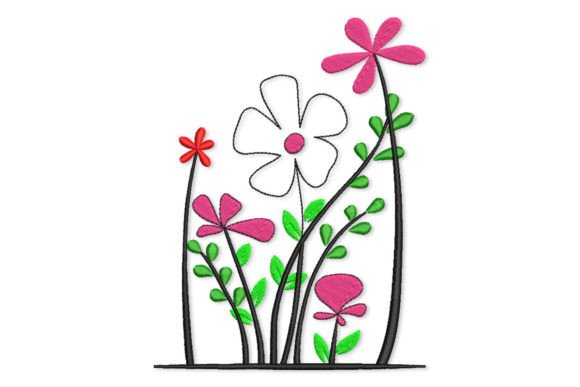
The moment you view the digitized outline of Wildflowers Design Flower, the intent is clear. It captures the chaotic elegance of nature without descending into visual clutter. The composition relies on a balanced arrangement of stitched blossoms, leaves, and vines that flow organically across the canvas. Unlike rigid, symmetrical patterns that can feel stiff on soft textiles, this design breathes. The layout suggests movement, making it an ideal candidate for projects where you want to evoke a sense of the outdoors.
Visually, the design leans heavily on the contrast between intricate details and open negative space. This is crucial for maintaining clarity in embroidery. If a pattern is too dense, it can pucker fabric or obscure thread colors; if it is too sparse, it may lack impact. Wildflowers Design Flower strikes a middle ground, offering enough detail to look premium while leaving room for the texture of the underlying material to show through. This makes it particularly effective for custom apparel where the fabric itself plays a role in the final aesthetic.
Real-World Application: From Tote Bags to Baby Items
To truly understand the value of this embroidery file, I imagined integrating it into a few specific scenarios common for small shop products. First, consider a custom embroidered tote bag. In this context, the flowing vines of the design would wrap beautifully around the side seam or sit prominently on the front panel. Because the design includes varied elements like leaves and stems, it scales well to larger hoop sizes, allowing for a substantial presence on canvas or heavy cotton blends.
I also tested the concept against a baby item, specifically a onesie or a nursery blanket. Here, the softness of the floral theme shines. Parents often seek personalized gift ideas that feel gentle and timeless. The pastel-friendly nature of the flower shapes means you can easily adapt the thread colors to match current nursery trends. However, when moving to smaller items like caps or hats, caution is required. The intricate details of the petals might get lost on curved surfaces unless you carefully select a hoop size that accommodates the full complexity of the design without distorting the curves.
For those creating sweatshirt embroidery, this design offers a fantastic opportunity to add a boutique touch to casual wear. Placing the bouquet on the chest or sleeve creates a focal point that elevates a basic garment into a fashion statement. The key here is ensuring the stitch density is appropriate for the thickness of the fleece or cotton blend. Too much fill stitch on a thick sweatshirt can create a hard, plastic-like feel, which detracts from the comfort of the garment.
Navigating Fabric Challenges and Technical Nuances
While Wildflowers Design Flower is versatile, it is not immune to the challenges posed by difficult fabrics. If you plan to use this on textured fabrics like linen or denim, be prepared to adjust your stabilizer strategy. Textured weaves can sometimes cause the needle to skip or the thread to sink unevenly, especially in areas with fine running stitches. Always test the design on scrap fabric first to gauge how the threads interact with the grain of the material.
Dark fabrics present another consideration. The intricate patterns in this design rely on color definition. On black or navy backgrounds, lighter thread colors will pop, but you must ensure the background stitching (underlay) is sufficient to prevent the dark fabric from showing through the gaps in the fill stitch. Conversely, on very thin or stretchy fabrics, the weight of the embroidery could cause distortion. In these cases, using a tear-away stabilizer on top of a cut-away base is essential to maintain the shape of the flowers after washing.
When considering commercial embroidery for items that require frequent washing, such as kitchen towels or aprons, durability becomes paramount. The satin stitch used for the outlines of the leaves and petals needs to be tight enough to resist fraying but loose enough to allow the fabric to flex. If the stitch density is too high, repeated laundering can lead to puckering or thread breakage. Always review the stitch density settings in your software before committing to a batch production run.
Enhancing Product Value and Brand Consistency
For the Etsy seller or creative entrepreneur, the choice of design directly impacts brand perception. Using a high-quality asset like Wildflowers Design Flower signals professionalism. Customers are increasingly savvy about the quality of handmade goods; they can tell the difference between a rushed job and a thoughtfully executed piece. This design, with its natural flow and elegant lines, helps build customer trust by presenting a polished handmade product.
In terms of digital product sellers, this motif serves as a strong design asset for mockups. Even if you are selling the digital embroidery file rather than the physical item, the ability to showcase it in realistic printable mockups can drive sales. Imagine displaying the design on a variety of backgrounds—from crisp white pillow covers to earthy-toned canvas bags. The versatility of the bouquet allows it to fit seamlessly into different branding aesthetics, from bohemian chic to modern farmhouse.
Practical Notes for the Workshop
Before you commit to stitching this design on a client order or a holiday gift, follow these practical steps:
- Test on Scrap Fabric: Never skip the test run. Stitch the design on the same type of fabric you intend to use for the final project to check for puckering or tension issues.
- Check Thread Contrast: Ensure your chosen thread colors provide enough contrast against the fabric. Low contrast can make the intricate details of the vines disappear.
- Verify Hoop Size: Confirm that your hoop can accommodate the full width and height of the design without cutting off any petals or leaves.
- Inspect Small Details: Zoom in on the digital preview to ensure the smallest elements, like tiny stamens or leaf veins, are large enough to be stitched clearly.
- Use Proper Stabilizer: Select a stabilizer that matches the weight and stretch of your fabric to prevent shifting during the embroidery process.
- Review Licensing: If you plan to sell finished items or the embroidery file itself, confirm the licensing terms. Ensure you have the right to use this design for commercial purposes.
Ultimately, Wildflowers Design Flower is more than just a collection of stitches; it is a tool for storytelling. Whether you are decorating a personalized cap for a wedding guest or creating a signature embroidered patch for your boutique, this design offers the flexibility and beauty needed to stand out. By approaching it with careful planning and technical awareness, you can transform simple textiles into cherished keepsakes that reflect both your skill and your unique style.