Fall Harvest Zipper Bag: A Designer Review
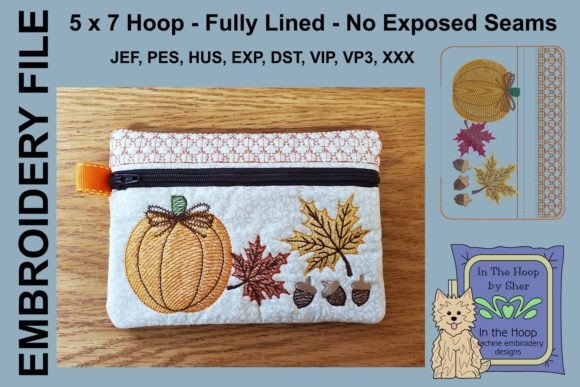
As I set up my booth for the upcoming weekend craft fair, the table is a chaotic mosaic of potential bestsellers. There are embroidered tote bags stacked in neat piles, aprons draped over chairs to show off the stitching, and tea towels folded to highlight their texture. In this competitive landscape of handmade goods, every item needs to earn its spot. Today, I am putting the Fall Harvest Zipper Bag through its paces. This is not just another digital download; it is an In-The-Hoop Machine Embroidery Design intended to create a functional fall zipper bag directly on your embroidery machine. Before I commit hours of production time to this design, I need to know if it will stop a customer in their tracks or get lost among the pumpkin spice candles.
First Impressions: Rustic Charm Meets Functionality
The moment I load the file, the aesthetic intent becomes clear. The Fall Harvest Zipper Bag exudes a warm, rustic vibe that fits perfectly into the Autumn category. It does not feel overly modern or minimal; instead, it leans into the cozy, farmhouse style that dominates seasonal shopping. For a craft fair product, this is a strategic advantage. Shoppers at these markets are often looking for tangible warmth and nostalgia. The design promises a finished product that feels premium yet accessible. Unlike a simple flat patch, the fact that this is an in-the-hoop project means the final result has structure and dimension, which significantly increases perceived value compared to a standard printed tote bag design.
Evaluating Market Fit and Display Potential
When arranging my table display, I consider how this specific item interacts with other products like pillow covers, caps, and patches. The Fall Harvest Zipper Bag stands out because it is a complete solution. While an embroidered patch requires the buyer to sew it onto something, this design creates a ready-to-use accessory. On a crowded table, the three-dimensional nature of the bag catches the light differently than flat items. If I place it next to my apron embroidery or tea towel embroidery samples, it serves as a perfect "grab-and-go" gift. It bridges the gap between home decor and personal accessories, appealing to a broader demographic than just those looking for kitchen linens.
For the Etsy seller or boutique maker, the visual appeal is critical. When photographed for online listings, the depth created by the in-the-hoop technique allows for stunning close-ups. You can capture the texture of the fabric and the sheen of the thread colors without the flatness that plagues many digital files. This makes it an excellent candidate for high-converting printable mockup images or real-life photoshoots that drive sales.
Production Realities and Hoop Constraints
However, a beautiful design is only as good as its practicality in production. As a professional designer, my first concern with the Fall Harvest Zipper Bag is the technical requirement: it is designed for a 5 x 7-inch hoop and will not work with a 4 x 4-inch hoop. This is a crucial detail for any small shop owner or crafter. If you are running a mobile setup or have limited machine space, this constraint matters. You must ensure your workspace accommodates the larger hoop size. Attempting to force this design into a smaller hoop would ruin the tension and likely destroy the structural integrity of the bag.
Furthermore, batch production requires efficiency. Since this is a single-item creation rather than a multi-up layout, the time investment per unit is higher than printing a logo on a dozen shirts. However, the unique selling point of a handmade, machine-constructed bag justifies a higher price point. It transforms from a commodity into a luxury handmade product. For commercial embroidery businesses, this means you can market it as a premium, limited-run item rather than a mass-market good.
Stitch Density and Fabric Considerations
When reviewing the stitch density, I look for areas where the thread might bunch up or pull too tight, especially around the zipper mechanism. Dense stitch areas can sometimes cause puckering on thinner fabrics. Because this is an in-the-hoop project, the stabilizer plays a massive role. I strongly advise testing the design on scrap fabric first. Use the right stabilizer to support the weight of the threads and ensure the bag opens and closes smoothly after stitching. If the design includes tiny details or small lettering, verify that they remain legible once the fabric is manipulated during the hooping process. Dark fabric choices will require careful selection of thread colors to maintain contrast and clarity.
Strategic Advice for Craft Fair Success
To maximize the success of the Fall Harvest Zipper Bag, consider how it fits into your overall brand consistency. Does it match the color palette of your other design assets? If your booth features earth tones and natural textures, this bag will blend seamlessly. If your brand is bright and pop-art, it might feel out of place. Consistency helps buyers recognize your quality instantly.
Here are my top recommendations for producing and selling this item:
- Test Run First: Always run a test on scrap fabric to check thread contrast and spacing before cutting into your inventory material.
- Hoop Verification: Confirm you have a 5 x 7-inch hoop available. Do not attempt to scale this down, as it will compromise the design.
- Color Strategy: Compare fabric colors against your thread options. High contrast ensures the design pops from a distance, which is vital for booth engagement.
- Licensing Check: Before selling finished products, confirm your commercial licensing terms. Ensure you are allowed to sell the physical bag, not just the digital file.
- Create Mockups: Make at least one real mockup to photograph. Real lighting and texture sell better than generic stock images.
Final Verdict: A Seasonal Standout
The Fall Harvest Zipper Bag is a strong contender for any autumn collection. It offers a unique combination of utility and artistry that separates it from standard tote bag designs or simple patches. For the creative entrepreneur, it represents an opportunity to offer a high-value, tactile item that customers can immediately use. While the 5 x 7-inch hoop requirement demands a bit more equipment, the resulting finished product justifies the effort. It photographs beautifully, displays well in person, and carries the emotional resonance of the season. If you are looking to elevate your booth display or add a premium option to your Etsy shop, this machine embroidery design deserves a spot in your production queue. Just remember to respect the technical specs, test thoroughly, and let the quality of the stitching speak for itself.