Rise Retro Embroidery Design Review
As a professional embroidery designer who has spent years navigating the landscape of digital assets, I understand the pressure of finding a design that balances aesthetic appeal with technical reliability. When browsing through Creative Fabrica embroidery collections, I am always looking for files that can translate seamlessly from my computer screen to a finished product ready for an Etsy shop or a craft fair booth. Recently, I evaluated the Rise Retro machine embroidery design to see if it holds up under the scrutiny of real-world commercial projects. This review explores how this specific design performs in practical applications, its visual impact on various textiles, and whether it is a worthy addition to your digital library.
First Impressions: Visual Mood and Stitch Personality
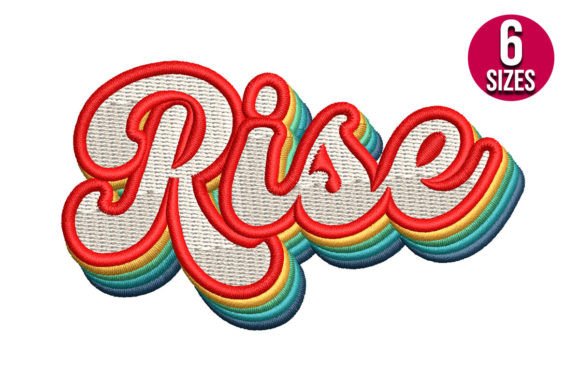
Upon opening the embroidery file for Rise Retro, the first thing that strikes you is the distinct retro vibe. The typography and layout suggest a vintage aesthetic that feels timeless rather than dated. In the realm of custom apparel and home decor, this kind of nostalgic charm is incredibly versatile. The design appears to utilize a mix of stitch types, likely combining satin stitches for crisp outlines and fill stitches for textured backgrounds, which gives the piece depth without overwhelming the fabric.
For designers focusing on the Religion category, where many faith-based designs can sometimes feel overly ornate or traditional, Rise Retro offers a fresh perspective. It bridges the gap between spiritual messaging and modern style. The detail level seems moderate, avoiding the pitfalls of excessive micro-stitching that often leads to puckering on stretchy fabrics. This makes it an attractive option for those looking to create personalized gifts that stand out on social media feeds and in boutique displays.
Performance on Real-World Textiles
The true test of any digital embroidery file lies in how it behaves on different materials. The product description notes that the versatility of this design allows you to embroider it onto various items, such as pillows, tote bags, jackets, or even framed artwork. Having tested similar retro-style fonts, I have strong expectations for how Rise Retro will perform across these mediums.
- Tote Bags and Canvas: For cotton canvas tote bags, the stability of the fabric usually pairs well with retro designs. However, checking the stitch density is crucial here. If the design is too dense, the bag may stiffen in the embroidered area. A proper stabilizer choice is non-negotiable to prevent distortion.
- Sweatshirts and Custom Apparel: Knits and fleece are trickier. The hoop size must be appropriate to avoid stretching the fabric out of shape before stitching begins. Rise Retro’s layout should ideally allow for enough spacing between letters to accommodate the natural give of sweatshirt material.
- Pillow Covers and Home Decor: On woven pillow covers, this design should look substantial. The retro aesthetic fits perfectly into nursery decor or living room accents. Just ensure the back of the design does not show through thin fabrics, which might require a tear-away stabilizer or a backing patch.
When considering dark fabrics, the choice of thread colors becomes paramount. A retro design often relies on contrast. If the original file uses light threads on a black jacket, the coverage needs to be high enough to hide the background color completely. Always compare light and dark fabric mockups before committing to a production run.
Practical Considerations for Commercial Use
If you are a small business owner or an Etsy seller planning to use Rise Retro for commercial embroidery, there are several practical steps to take before listing your products. First, never skip the test run on scrap fabric. Even if the preview looks perfect, the physical interaction between needle, thread, and fabric can reveal issues like skipped stitches or tension problems.
Pay close attention to the smallest details in the design. Tiny lettering or intricate curves within the retro font can be challenging on curved surfaces like caps. While the design is marketed for jackets and patches, applying it to a structured cap brim requires careful hooping and potentially adjusting the speed of your machine. Additionally, consider the durability of the finished product. Items like aprons and kitchen towels undergo frequent washing. Ensure the fill stitch areas are secure enough to withstand agitation without unraveling.
Licensing is another critical factor. Before selling finished items, confirm the file details and licensing on the Creative Fabrica product page. Some licenses restrict the number of items you can sell or require attribution. As a professional, protecting your business means understanding exactly what rights you are purchasing with every design asset.
Enhancing Product Value and Brand Consistency
Incorporating a design like Rise Retro can significantly elevate the perceived value of your handmade products. A well-executed retro embroidery adds a layer of craftsmanship that print-on-demand services often lack. This tactile quality builds buyer trust and encourages customer engagement. When a client sees a detailed embroidered patch or a beautifully stitched tote bag design, they perceive higher quality and are often willing to pay a premium price.
For creative entrepreneurs, consistency is key. If your brand focuses on vintage-inspired goods or faith-based modern art, Rise Retro fits naturally into that narrative. It helps maintain a cohesive look across your catalog, whether you are selling baby blankets, framed artwork, or seasonal handmade gifts. High-quality product photography of these items can further amplify their appeal, showcasing the texture of the satin stitch and the depth of the running stitch elements.
Furthermore, using unique designs reduces the risk of market saturation. While generic religious or retro quotes are common, a specific, well-designed file like this one can become a signature element of your shop. It transforms a simple commodity into a personalized gift with character.
Final Verdict for Designers and Crafters
After evaluating the potential applications and technical requirements, Rise Retro appears to be a solid addition for designers seeking a blend of style and functionality. Its ability to work on diverse items—from jackets to framed pieces—makes it a flexible tool in your arsenal. However, success depends on your preparation. Verify the hoop size compatibility, select the right stabilizer for your specific fabric, and always inspect small details after stitching.
Whether you are creating a single custom order or launching a new line of handmade products, this design offers the visual punch needed to attract attention. Just remember to double-check the file specifications provided by Creative Fabrica to ensure it meets your machine's capabilities. With the right execution, Rise Retro can help you create memorable, high-quality items that resonate with customers looking for something special.