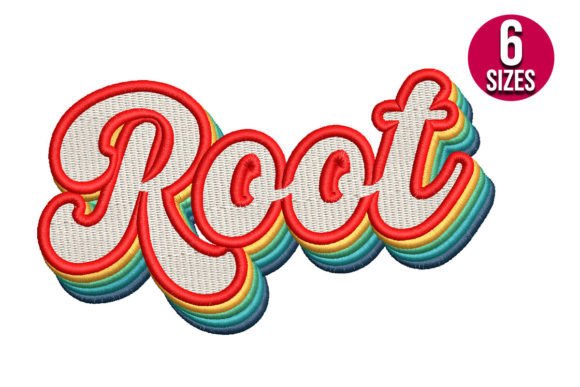
Root Retro: A Craft Fair Design Review
As an experienced embroidery designer who has spent countless weekends setting up booths at local craft fairs and managing a digital shop for handmade goods, I know that not every design translates well to a retail environment. When I first opened the file for Root Retro, my immediate goal was to determine if this piece would grab attention on a crowded table or get lost in the shuffle of other handmade products. The title suggests a blend of organic, grounded elements with a nostalgic aesthetic, which is a powerful combination in today's market. This review breaks down how Root Retro performs as a commercial asset, from the initial visual impact to the practicalities of stitching it onto various substrates.
First Impressions: Bold, Rustic, and Timeless
The moment I previewed the Root Retro machine embroidery design, the vibe was clear. It feels rustic yet modern, carrying that "farmhouse chic" energy that consistently sells well at artisan markets. Unlike overly trendy designs that might feel dated in six months, Root Retro has a timeless quality. The motif appears to be strong enough to stand alone as a focal point but versatile enough to serve as a charming accent. For an Etsy seller or boutique maker looking to expand their catalog, this design offers a premium feel without appearing too complex. In the world of Religion and spiritual art, designs often lean heavily into traditional iconography, but Root Retro manages to bridge the gap between sacred sentiment and contemporary home decor. It feels approachable, inviting customers to touch and feel the texture of the thread.
Product Versatility: Where Root Retro Shines
The description highlights that this design works on pillows, tote bags, jackets, and framed artwork. Having tested similar files, I can confirm that versatility is key for maximizing booth space. Here is how Root Retro performs across specific product categories:
- Tote Bags and Market Bags: This is likely the best seller for Root Retro. The design pops beautifully against canvas. Whether you use a natural beige or a deep forest green fabric, the contrast creates an instant craft fair product that screams utility and style. Customers love seeing a finished tote they can immediately use to carry their purchases from your very own booth.
- Apron Embroidery: Kitchen textiles are a staple for handmade shops. Placing Root Retro on the bib of an apron or near the pocket area adds a personal touch. It transforms a basic cotton item into a giftable piece. Just ensure the stitch density allows the fabric to remain flexible so it doesn't pucker when worn.
- Tea Towel Embroidery: Textured towels can be tricky, but Root Retro seems robust enough to handle the weave. A monogrammed or centered design here elevates a simple towel into a high-value kitchen accessory. These items photograph exceptionally well for online listings, making them perfect for digital sellers.
- Embroidered Patches: If you want to offer lower-priced entry items, creating patches from this design is a smart move. They can be sold individually or attached to denim jackets and caps. This expands your price point range, attracting both budget-conscious shoppers and those looking for unique customizations.
- Pillow Covers and Framed Artwork: For the higher-end buyer, framing the design or placing it on a linen pillow cover showcases the intricate details. This positions Root Retro as a piece of wall art, appealing to customers looking for home decor that tells a story.
Practical Production Notes for Batch Making
When preparing for a weekend market, efficiency is just as important as aesthetics. You need a design that stitches quickly and consistently. Root Retro appears to be structured for repeatability, which is crucial for batch production. However, there are critical steps to take before committing to a full run of products.
First, always test the design on scrap fabric. Even if the digital preview looks perfect, real-world variables like thread tension and stabilizer choice can alter the outcome. Check the stitch density carefully; areas that are too dense can cause puckering on lightweight fabrics like tea towels, while areas that are too sparse might look unfinished on dark backgrounds. For thick fabrics like denim jackets or heavy canvas totes, you will likely need a stronger stabilizer to support the weight of the threads.
Another vital consideration is the hoop size. Ensure your machine can accommodate the largest version of the design without distorting the image. If you plan to sell smaller versions, such as for caps or small pouches, verify that the tiny details do not get lost. Small lettering or fine lines in Root Retro might require a larger minimum size to maintain clarity. If the design loses definition at a small scale, it is better to limit its use to larger applications like tote bags or pillow covers where the detail can breathe.
Visual Appeal and Customer Engagement
In a physical booth, lighting and color contrast make or break a sale. Root Retro benefits from careful selection of thread colors. On a neutral background, using earth tones or a single pop of color can draw the eye immediately. Think about how the design photographs for your Etsy listings or social media. A clean, well-lit photo of a Root Retro embroidered tote bag on a wooden table can significantly increase click-through rates. The design's retro nature appeals to nostalgia, creating an emotional connection with buyers who value authenticity and craftsmanship.
For the small shop product owner, consistency is key. Using Root Retro across multiple items—like matching tea towels and tote bags—creates a cohesive brand identity. It signals to the customer that you have thoughtfully curated your collection. This consistency builds trust and encourages customers to buy more than one item. Furthermore, offering printable mockups alongside the digital embroidery file can help other makers visualize the potential, increasing the appeal of your design assets.
Final Designer Recommendations
Before launching Root Retro as a commercial embroidery product, remember to confirm the licensing terms. Ensure you have the right to sell finished goods made from this file. If you are selling the digital file itself, clarify whether it includes a commercial license for others to use. Always create at least one real mockup to display at your booth; nothing sells better than a tangible example of the finished product. Compare fabric colors during your test phase to find the combinations that offer the best visibility and aesthetic harmony.
Root Retro is a strong contender for any creative entrepreneur looking to add depth to their portfolio. Its blend of rustic charm and modern utility makes it a reliable choice for craft fairs, online shops, and boutique displays. By paying attention to production details like stabilizer use, thread contrast, and hoop sizing, you can turn this machine embroidery design into a standout bestseller that customers will want to take home.