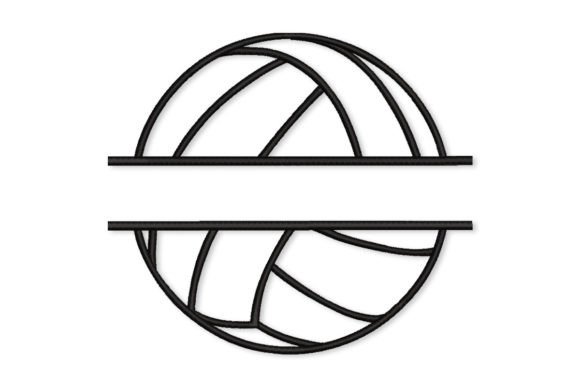
Split Volleyball: A Designer's Real-World Review
When I first pulled up the Split Volleyball file on my screen, I wasn't just looking at a graphic; I was visualizing the thread path. As someone who has spent years turning digital files into tangible handmade products, I know that the gap between a pretty preview and a successful stitch can be wide. This particular machine embroidery design immediately caught my eye for its deconstructed aesthetic. It breaks away from the standard, solid volleyball icon we see everywhere, offering a fragmented, modern look that feels right at home in today's craft market.
The mood it sets is energetic yet sophisticated. It doesn't scream "generic sports gear"; instead, it whispers "boutique athletic wear." For an Etsy seller or a small shop owner trying to differentiate their brand, this kind of visual personality is gold. The layout suggests movement, as if the ball is exploding with energy, which translates beautifully into a dynamic embroidery project. However, before you rush to hoop this for your next client order, let's walk through how this actually performs in real-world scenarios.
Visual Impact and Design Personality
The strength of the Split Volleyball lies in its negative space and the interplay between the segments. In a typical sports context, designs often rely on heavy fill stitch to create solid shapes. Here, the design uses a mix of satin stitch outlines and strategic fills to define the separated panels. This approach reduces overall stitch density, which is a massive plus for breathability on fabrics like mesh or light cotton blends.
Visually, it creates a sense of depth without needing complex shading. When I imagine this on a white tote bag design, the contrast is sharp and professional. The segmented nature allows the underlying fabric texture to peek through in specific areas, adding a layer of tactile interest that flat, solid logos simply cannot achieve. For a personalized gift, such as a custom gym bag for a college athlete, this design feels curated rather than mass-produced. It signals to the buyer that thought went into the selection, elevating the perceived value of the finished product.
Testing the Waters: A Real Project Scenario
Let's talk about a specific use case. Imagine I am preparing a limited run of heavyweight sweatshirt embroidery for a local volleyball club's merchandise table. These aren't just practice shirts; they are premium items meant to be worn casually after games. If I were to place a traditional, dense logo on the chest, it might crack or pill over time. The Split Volleyball offers a solution here.
I would position this design slightly off-center on the left chest or larger across the back. Because the design is inherently broken up, it handles the slight stretch of a sweatshirt better than a rigid, continuous outline. The gaps between the split sections allow the fabric to move without distorting the image. In a printable mockup, it looks great, but the real test is the physical stitch. On a dark heather grey sweatshirt, using bright neon thread colors for the split segments would make the design pop, creating a high-energy vibe that appeals to younger athletes. Conversely, on a navy blue hoodie, tonal threads (like a lighter blue or silver) would give it a sleek, understated luxury feel.
This versatility makes it a strong contender for commercial embroidery projects where branding consistency matters. Whether it's for a team uniform accent or a boutique's seasonal collection, the design adapts well to different color palettes without losing its identity.
Navigating Fabric and Hoop Challenges
While the Split Volleyball is versatile, it is not a magic bullet for every situation. As a designer, I must advise caution when working with certain materials. The intricate separation of the ball's panels means there are delicate points where stitches terminate and restart. On very thin or highly textured fabrics, these transition points can sometimes show puckering if the stabilizer isn't chosen correctly.
If you are attempting this on a cap or a curved surface, pay close attention to the curvature of the split lines. While the design is flexible, forcing a complex split pattern onto a tight curve can lead to registration issues where the segments don't align perfectly. Similarly, on stretchy fabric like spandex blends, ensure you are using a cutaway stabilizer to support the tension during stitching. Without it, the elasticity of the material could distort the geometric precision of the split effect.
Another consideration is the hoop size. Since the design relies on the relationship between its parts, you need enough room in the hoop to capture the entire composition without crowding. If you try to force this into a tiny 4x4 inch hoop for a baby embroidery item, you risk losing the detail that makes it unique. The segments might become too small, leading to potential thread breakage or a muddy appearance. Always check the recommended dimensions against your specific machine capabilities before committing to a production run.
Practical Notes for the Professional Maker
Before you list this as a digital product or start selling finished goods, there are critical steps to take. First, always test the embroidery file on scrap fabric that matches your final project's weight and texture. Look closely at the thread colors; what looks distinct on a screen might blend together on a dark background. Adjusting the brightness or saturation of the thread can save you from a disappointing result.
Review the stitch density carefully. In the split areas, ensure the software hasn't created unnecessary jump stitches that could tangle. Clean up any stray threads manually to maintain a professional finish. For those planning to sell the design itself as a digital embroidery file, verify the licensing terms. Ensure you have the rights to distribute the file or that your usage falls under the permitted commercial guidelines. Selling design assets without proper clearance can lead to legal headaches that no craft business needs.
Finally, consider the end-user experience. Will this design hold up to frequent washing? The Split Volleyball generally does well because it avoids massive blocks of fill that can trap moisture, but the edges of the satin stitches need to be secure. A quick inspection of the test stitch will tell you if you need to add a few extra passes to lock down the edges.
Final Verdict on Value and Appeal
In the crowded marketplace of custom apparel and handmade decor, standing out requires more than just a functional logo. The Split Volleyball offers a creative edge that resonates with modern aesthetics. It bridges the gap between sporty utility and artistic expression, making it suitable for everything from a personalized holiday gift to a flagship item in a small shop product line.
For the apparel decorator looking to expand their portfolio, this design adds a fresh dimension to Sports themed collections. It encourages experimentation with color and placement while maintaining a cohesive structure. By understanding its strengths and limitations regarding fabric and hoop size, you can leverage this design to create high-quality, professional-grade items that customers will love to wear and display. It is a testament to how a thoughtful embroidery design can elevate a simple textile into a statement piece.